
The Coppice Prize is an annual short story competition run by the Redbud Writing Project. Every year, we invite writers around the world to submit a short story, up to 4000 words, for consideration. Past judges include Raf Frumkin, Aamina Ahmad, Anise Vance, Kelly Link, Clare Beams, Joanna Pearson, John Kessel, Makenna Goodman, Beth Morgan, Alison B. Hart, and Jill McCorkle. Winners receive a cash prize and publication in our Coppice Prize anthology.
The 2026 Winning Stories
First place: “Seal Baby” by Catherine Peng
Second place: “Lost Wing of an Angel” by Sandra Jensen
Third place: “Fitting the Profile” by Stanley Péan
Honorable mention: “When Girls Sing Lalalalala” by Nori Suzuki
Shortlist:
“Mango Season” by Bethany Bruno
“Steady Living” by Izzy Buck
“Namakemono by” Kelly Murashige
“Get Up, Pauvre Bête” by Kurt Naquin
“The Boy With a Paintbrush” by Chiwenite Onyekwelu
“Apricity” by Hannah Shearer
Longlist:
“Beside the Still Waters” by Nana T. Baffour-Awuah
“How and Why” by Emilio Cabral
“Bodies of Water” by Habiba Dokubo-Asari
“Qamariyyah, the Moon” by Chris Estima
“Black Swan Song” by Joanne Godley
“Forty-Seven Confessions” by Ujama Kadri
“Weremusk” by Stephanie Morris
“The Mapmaker’s Daughter” by Andrei Romanov
“T.R.A.P.” by Von Reyes
“The Crystal Shop on Gouraud Street” by Yara Zgheib
Judges
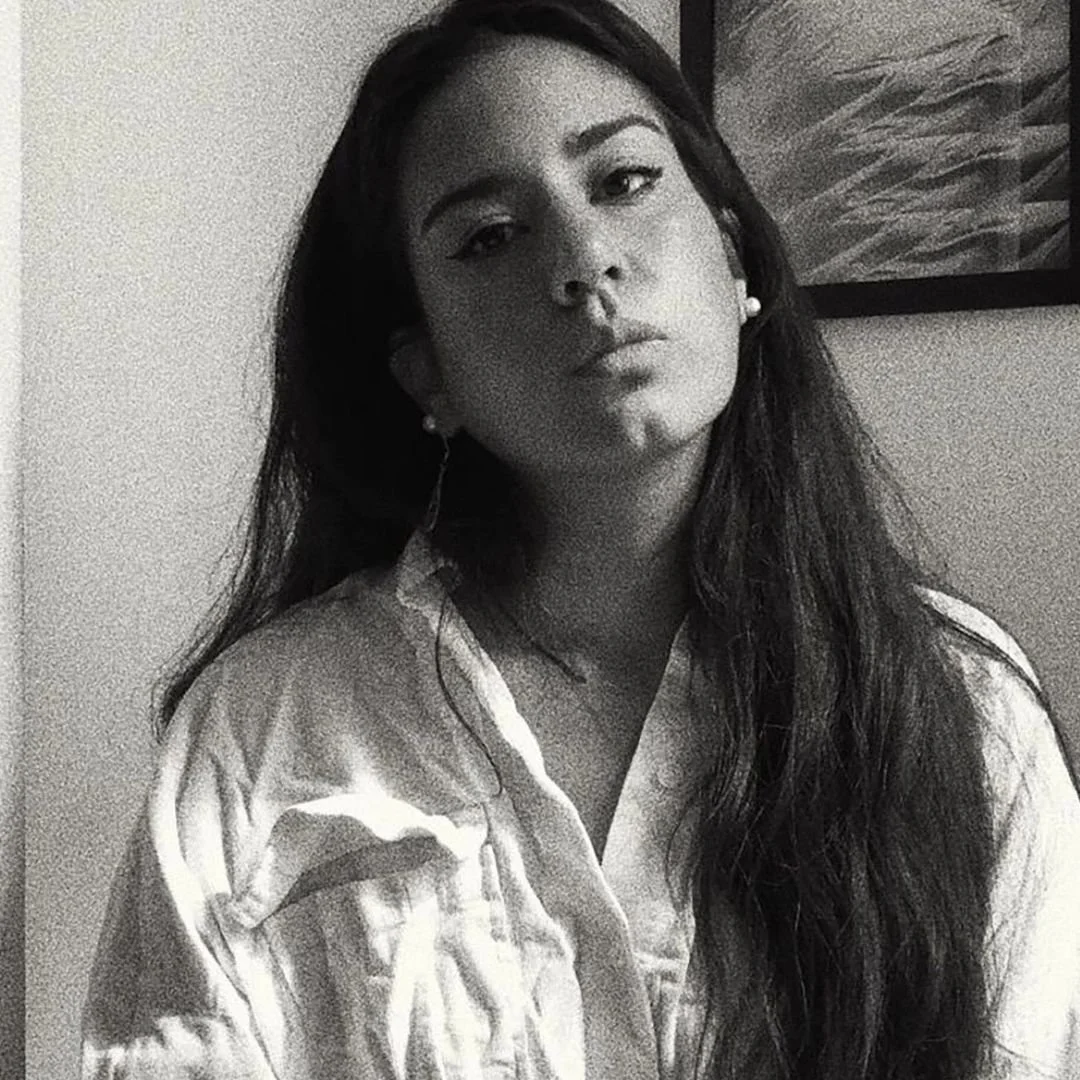
Aria Aber was born and raised in Germany and now lives in the United States. Her debut poetry collection, Hard Damage, won the Prairie Schooner Book Prize and the Whiting Award. She is a former Wallace Stegner Fellow at Stanford and graduate student at USC, and her writing has appeared in The New Yorker, New Republic, The Yale Review, Granta, and elsewhere. Raised speaking Farsi and German, she writes in her third language, English. She serves as the poetry editor of Amulet, as a contributing editor at The Yale Review, and works as an assistant professor of Creative Writing at the University of Vermont. Aber divides her time between Vermont and Brooklyn.
Her first novel GOOD GIRL was published by Hogarth (US) and Bloomsbury (UK) in 2025, and will be translated into German, French, Italian, Spanish, Portuguese, Swedish, Japanese, and Turkish.
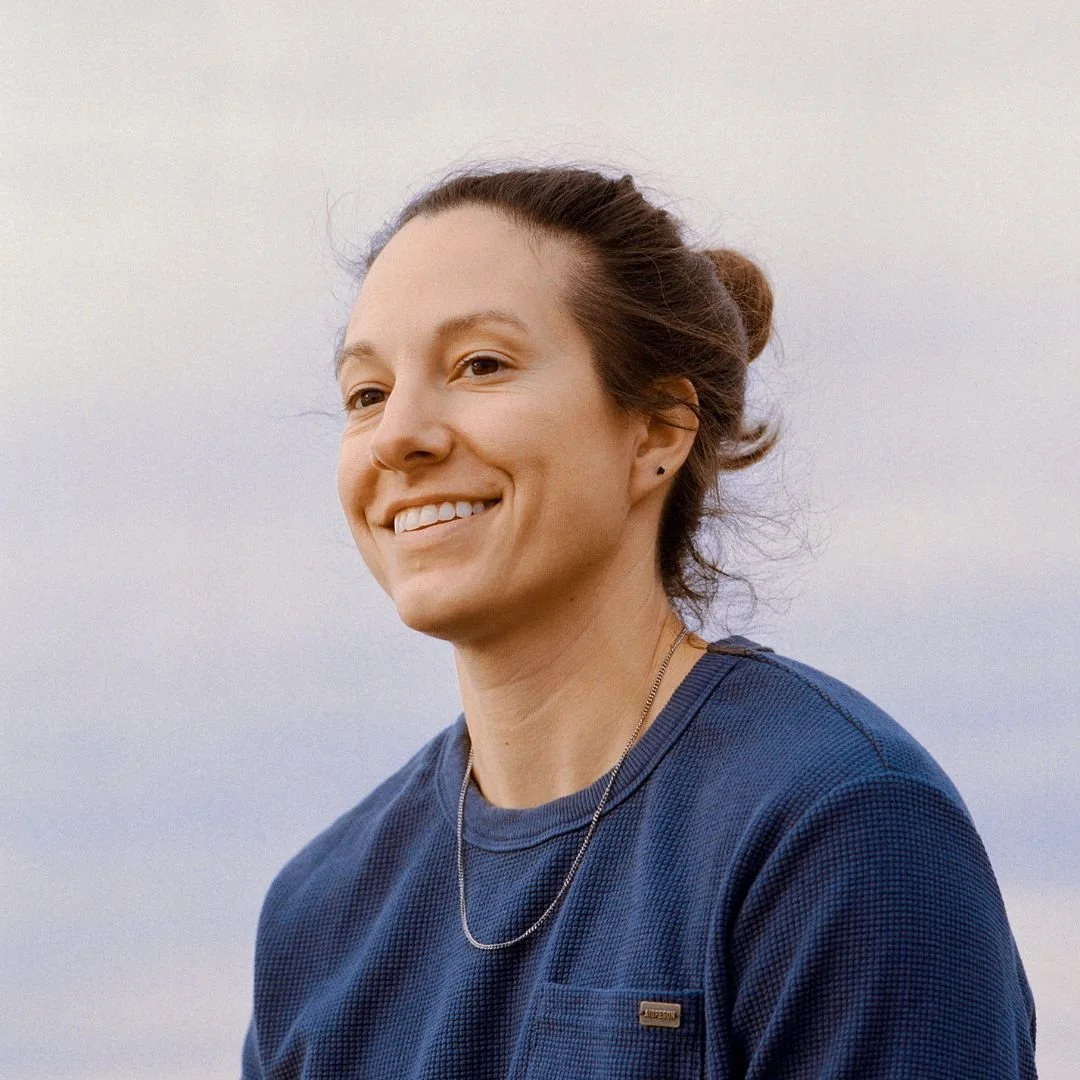
Mac Crane is a jock, sweatpants enthusiast, and the award-winning author of I Keep My Exoskeletons to Myself, A Sharp Endless Need, and the forthcoming short story collection, Perverts. They have received fellowships from the Sewanee Writers’ Conference, American Short Fiction, and Vermont Studio Center, and their short work has appeared in Literary Hub, The Sun, TriQuarterly, Prairie Schooner, Joyland, and elsewhere. Originally from Allentown, Pennsylvania, they currently live in San Diego with their wife and two kids.
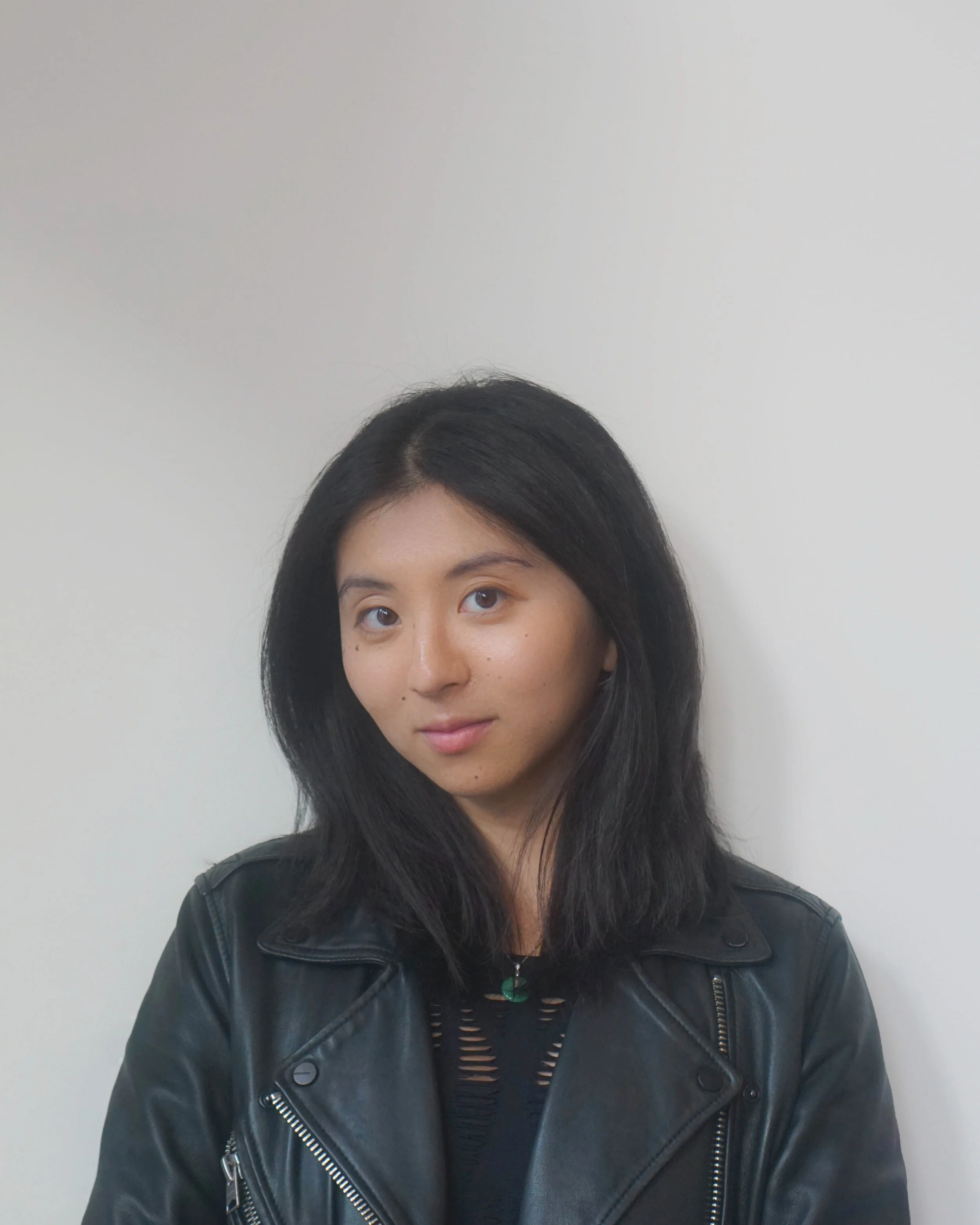
Jade Song is a writer, filmmaker, and artist. Her debut novel Chlorine was awarded the Alex Award and the Writer's Center First Novel Prize, lauded as "visionary and disturbing," and translated into Mandarin Chinese, French, Turkish, among other languages. Song's second novel, I Love You Don’t Die, was published March 2026, and their debut short story collection, Ox Ghost Snake Demon, will be published in spring 2027. She has received support & fellowships from the Vermont Studio Center, MASS MoCA, Jentel, and the Black List, which selected their adapted screenplay of Chlorine for its annual Writers Lab.
Agent review
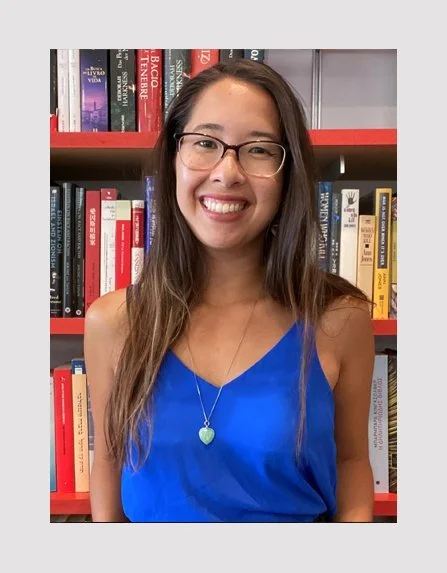
The contest’s three winners, plus our honorable mention, will receive review from Jade Wong-Baxter of the Francis Goldin Literary Agency. Jade joined Francis Goldin in 2021, after spending three years at Massie & McQuilkin Literary Agents. She received her B.A. in English Literature and Chinese from Vassar College. Jade is looking for adult literary and upmarket/bookclub fiction, as well as narrative nonfiction.
Why did we decide to revamp the contest?
Oftentimes, the people who have the most access to the arts are the ones who need them the least. The arts are an incredible source of catharsis, healing, and empowerment, but too often, they are restricted to those who already hail from highly educated, upper middle class backgrounds. We've seen over and over again how our classes specifically serving writers who hail from marginalized communities have transformed those writers: our students have regularly told us that our classes have changed their lives.
Having a deadline in the form of a contest, as well as an opportunity to win a cash prize and publication, is often incredibly motivating for writers. We believe that offering this contest, as well as the training sessions, galvanizes writers from this community and brings them further into the world of creative writing. In addition, this contest gave ten finalists the opportunity to have their work reviewed by nationally renowned judges, and three winners the opportunity to see their work published, share it with the public, and receive feedback from a literary agent. The publishing industry is still incredibly wealthy and white, and we're incredibly excited about the possibility of giving three marginalized writers the chance to launch a career.

Thank you again to United Arts for making this contest possible!